Avoid Inbreeding and Build a Genetic Strategy
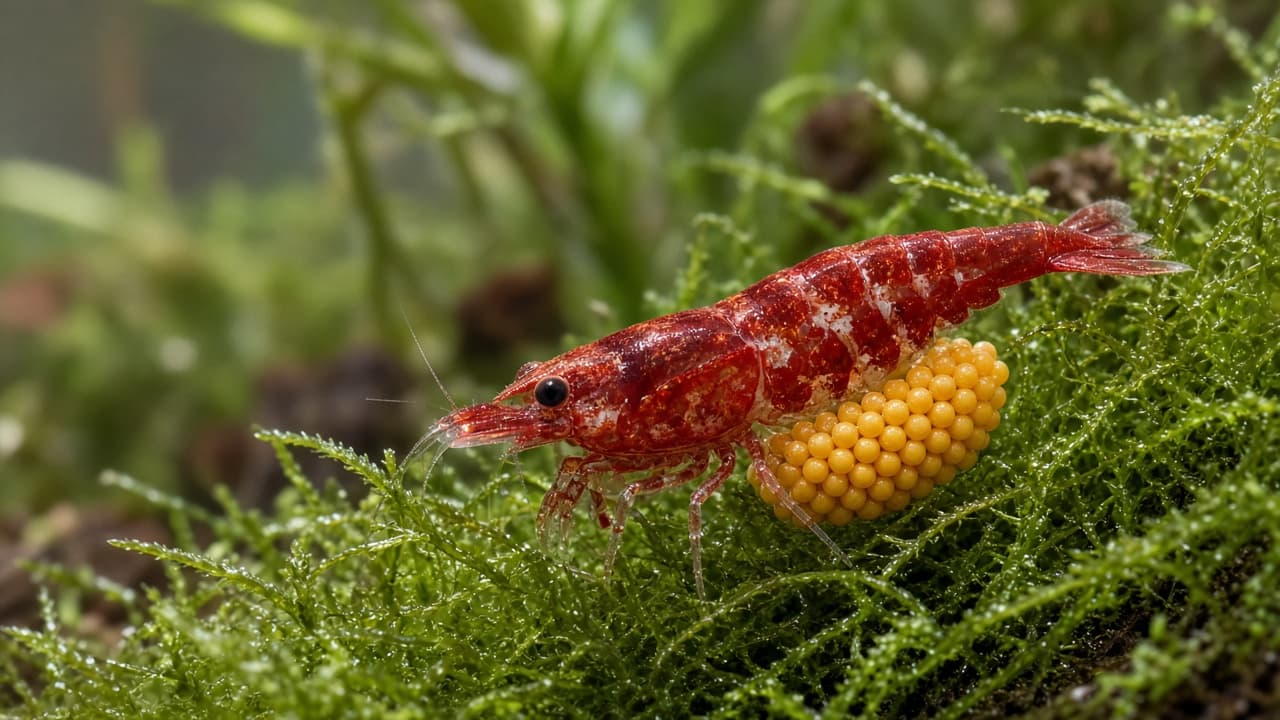
Inbreeding rarely shows in the first month. It shows when broods get thinner and shells get more brittle.
A closed line of Crystal Red or Bloody Mary can look superb for two generations and then lose pace. The strategy is to see that before it is too late.
What inbreeding does in a shrimp colony
When close relatives pair, both the traits you want and the hidden weaknesses stack up. Colour can become more even. Vigor can get worse.
This is not a moral failing. It is maths in a small group.
Early signs
• Fewer eggs, or eggs that are dropped
• Young that stall in growth
• More deaths after molting
• Short antennae, humped backs, crooked tails
A single sign can be water. Several signs together are a warning about the gene pool.
Effective population size
Twenty shrimp in a tank are not twenty breeders if only three males get to mate. Count the ones that actually contribute.
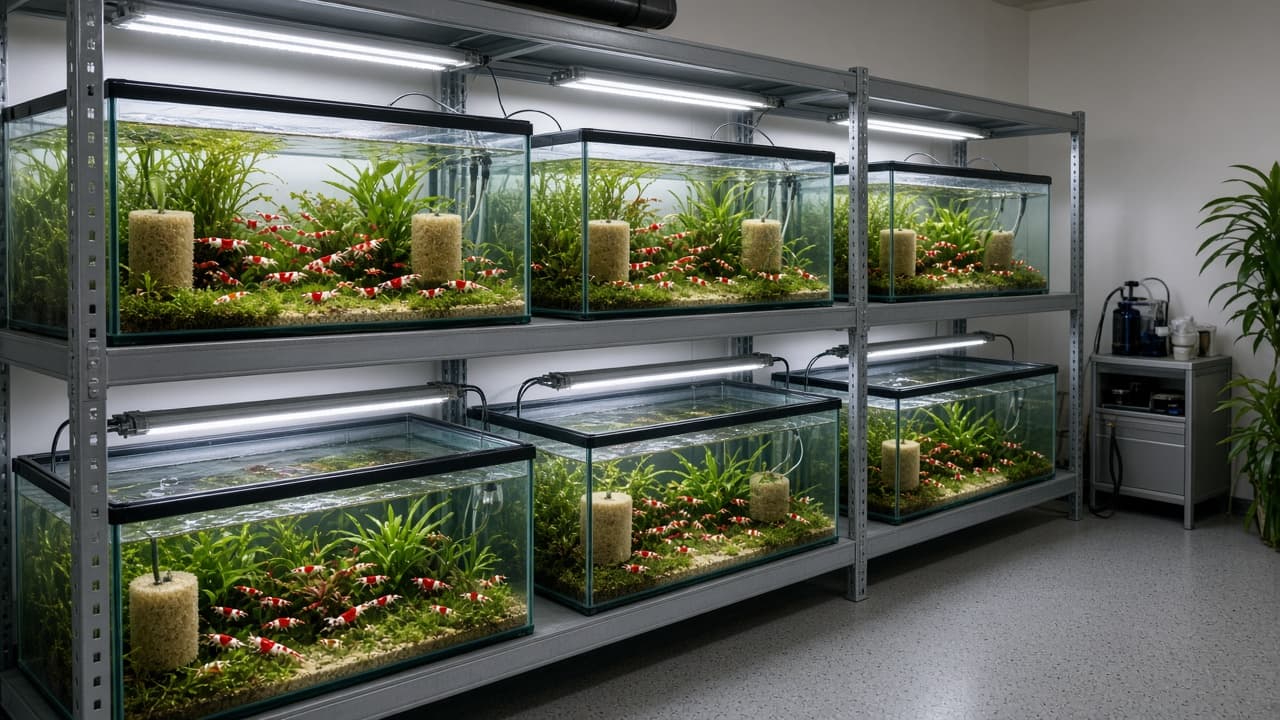
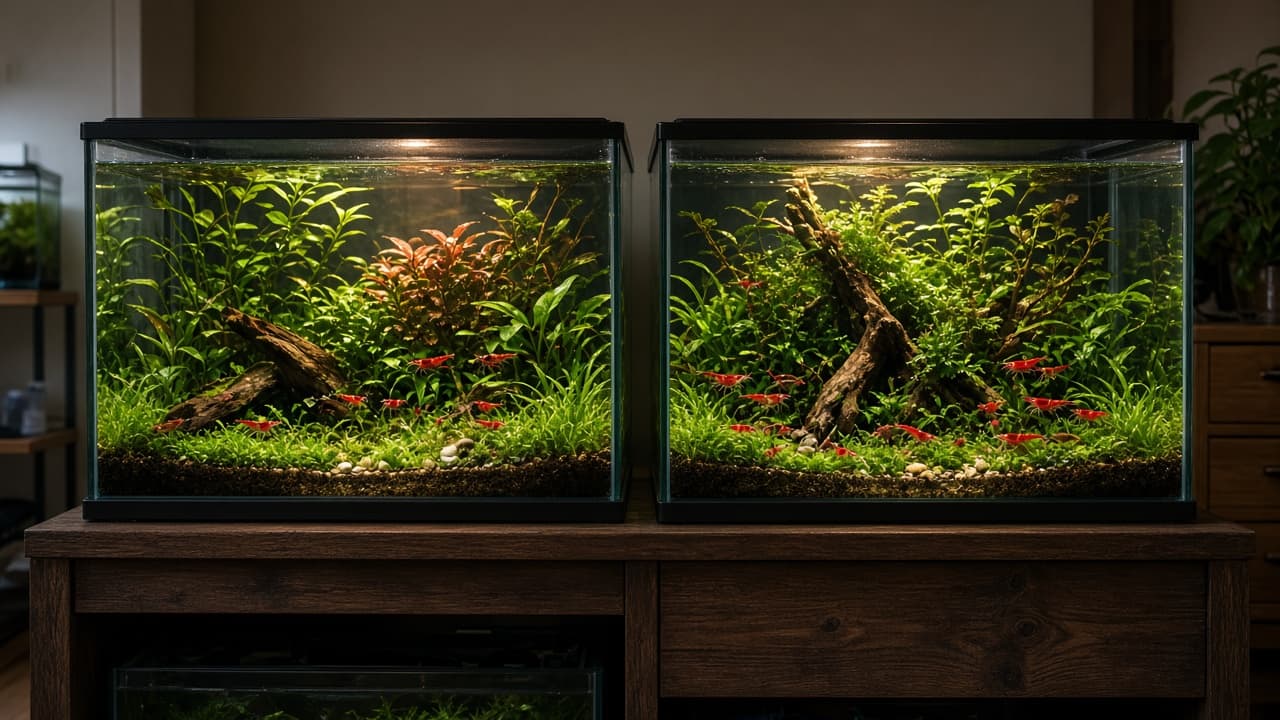
Keep at least two tanks of the same line if you can. Then the line survives if one tank goes wrong.
How often to bring in new blood
Many breeders outcross every third to fifth generation, or as soon as vigor dips.
Do it on purpose. A random bag from a show can save health and smash the pattern.
Choose outcross animals with care
Take animals that resemble your line but come from another breeder. A Crystal Black from an unrelated strain is worth more than a prettier cousin from the same tank.
Ask about origin. Write down where they came from.
A safe minimum
• Quarantine before contact with the main line
• The same water recipe for a few weeks
• Keep your own animals until you have seen the young
Isolate new lines
Do not add new shrimp straight into the breeding tank. Give them their own tank and watch the first brood.
If the young are healthy but a little weaker in colour, you can breed back toward your strain. That is outcrossing with control.
Balance colour and health
Sell the prettiest only if you have equals left. A line that exists only in customers' tanks is not a line.
Blue Bolt and high-grade Crystal Red tempt extra. Keep a working group that is allowed to breed even if they are not display animals.
Plan several years ahead
Write the year the line started, which outcrosses you made and what you expected. Then you see patterns that memory drops.
Shrimp genetics are slow. That is an advantage. You have time to think.
Common mistakes
• Starting with six shrimp and never topping up
• Crossing in another colour to get life back and then regretting it
• Ignoring deformities because the colour is strong
A simple genetic strategy
Two tanks, a clear standard, a new outcross when broods weaken, and a log of everything. That goes a long way.
Once the strategy exists, you can read about line breeding and commercial systems. Stay with AquaShrimp so you keep both colour and vigor.