Import, Quarantine and Biosecurity
New shrimp are the most common path for disease into a good system.
That applies to a bag of Crystal Red from a breeder you like and it applies to an import. Quarantine is not distrust. It is professional habit.
Why quarantine is not optional
Parasites, bacteria and fungus rarely show under shop lighting. They show when the shrimp have settled, eaten and molted with you.
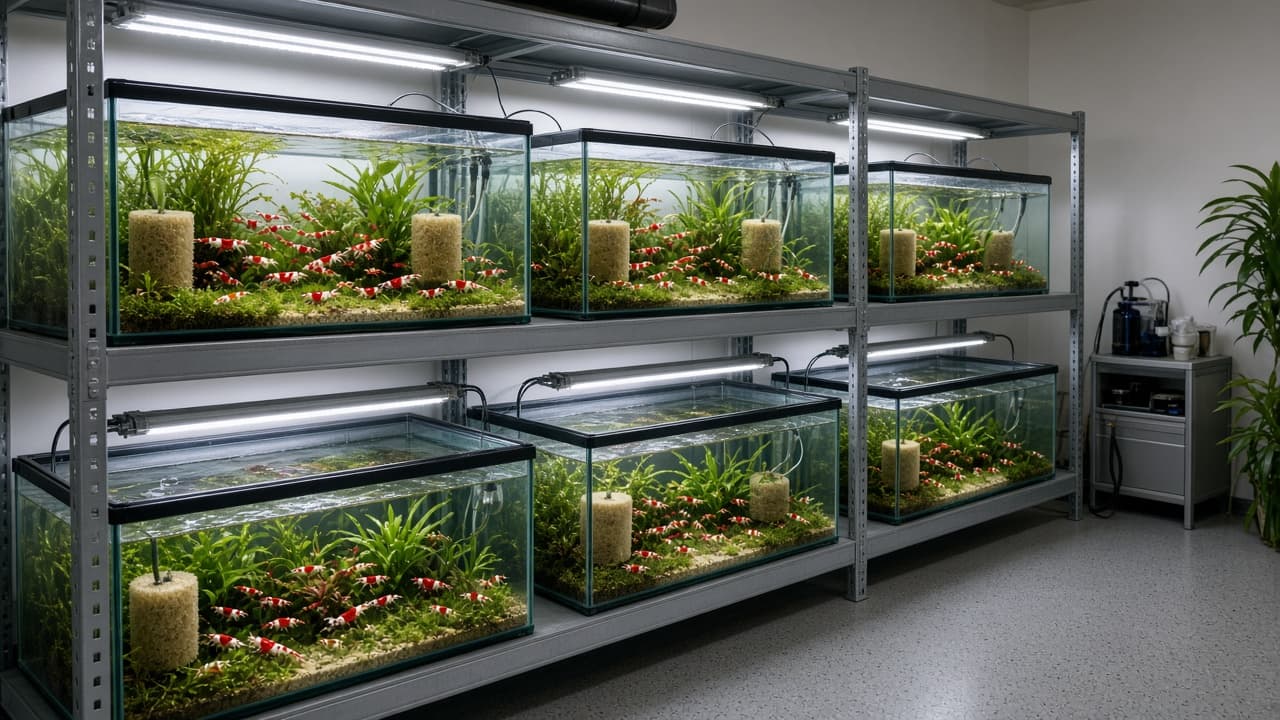
A single tank without quarantine can spread trouble through a whole row of Blue Bolt.
What you should isolate
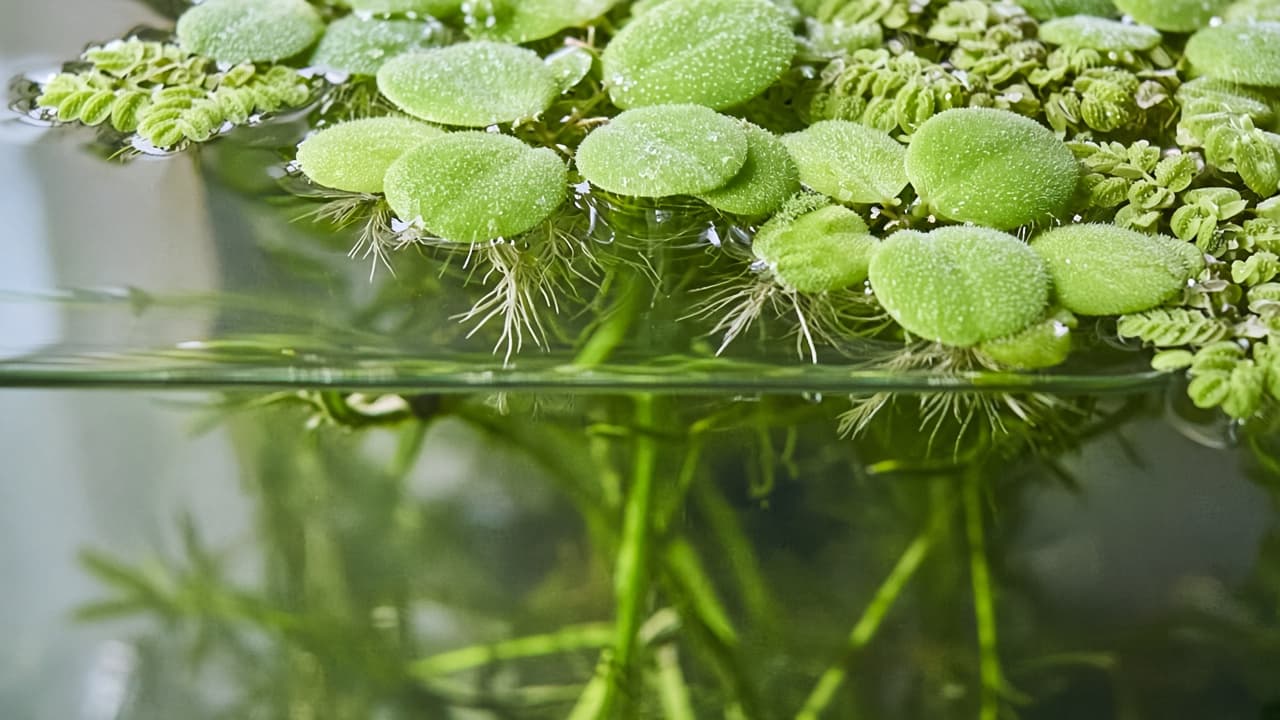
Every new animal. Every plant that does not come from your own tanks. Every tool that has been in someone else's water.
Snails that arrive in the bag count as new animals.
Setting up the quarantine tank
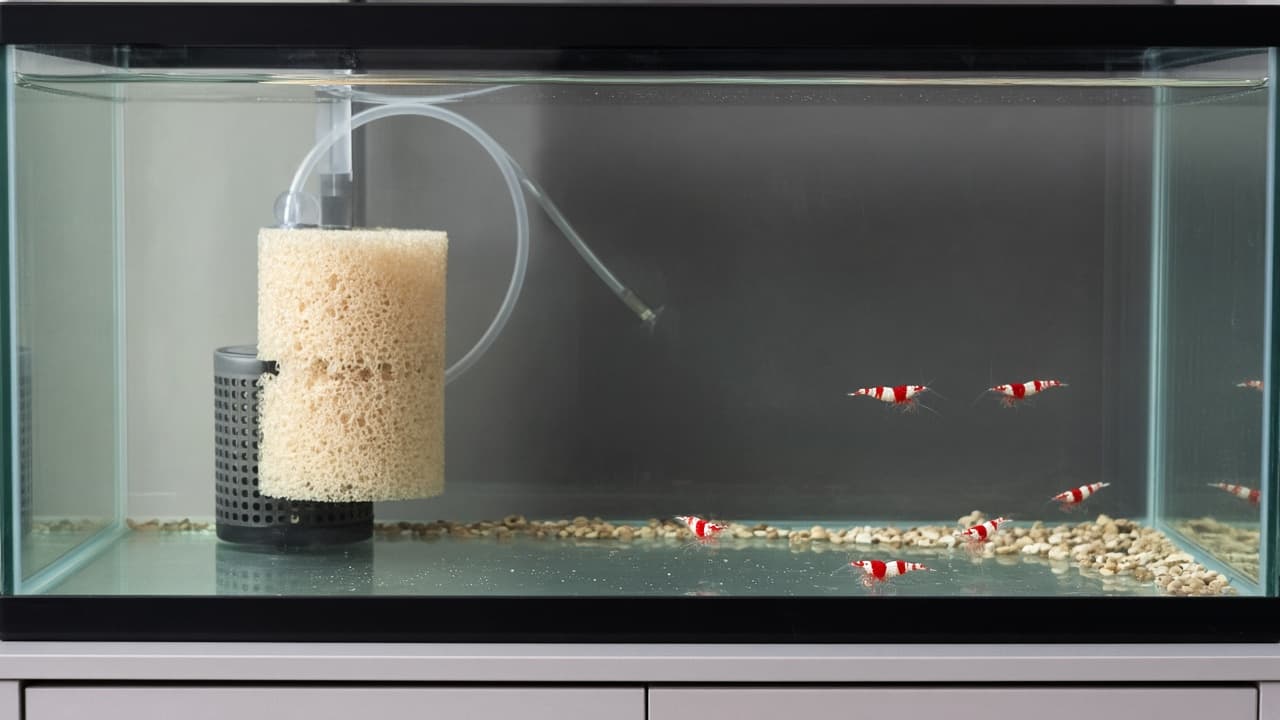
A small tank with a sponge filter, hiding places and the same water recipe as the destination tank. No shared filter.
Soil can wait. A simple tank is easier to empty if something goes wrong.
Keep it separate
• Its own net, hose and bucket
• Work in quarantine last in the day
• Wash hands between rooms
Observation time
Two to four weeks is a common window. Watch appetite, molting, resting spots and deaths on the bottom.
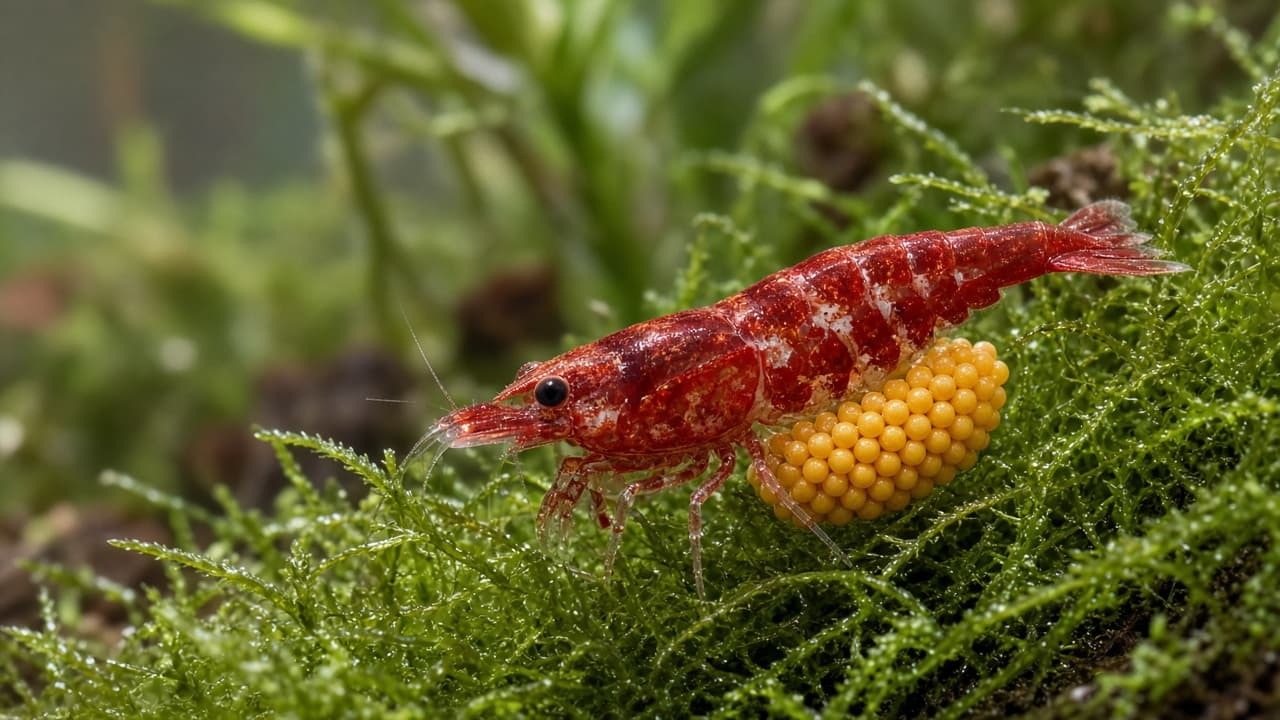
A quiet Crystal Red sitting still for several days is more information than a pretty photo on delivery day.
Parasites, bacteria and fungus
Look at gills, rostrum and joints. White fluff, short antennae that do not grow and shrimp scratching on moss are reasons to wait.
Treat only what you recognise, in the quarantine tank, after you have read up. Shock treatment in the main tank is rarely the first step.
Equipment between tanks
Hoses and nets carry more than the eye sees. Wiping them down does not make them clean.
Keep a clear direction: from healthy tanks toward quarantine, never the other way.
Import from abroad
Check the current rules for live animals before you order. Paperwork, timing and temperature beat cheap shipping.
Plan the arrival so you are home. A night in a cold hallway can cost more than the quarantine.
When something goes wrong
Isolate further. Stop moving animals. Log the date and symptoms. Do not wash gear in the same sink as healthy tanks.
It is better to lose one bag than an entire Bloody Mary line.
Release into the main tank
When observation time is over, acclimate slowly to the destination water. The same TDS does not smell the same to the shrimp.
Do not add the prettiest individual first as a test. Add the group when the whole group looks healthy.
Build a biosecurity routine
Write the routines on the wall. Guests, new plants and borrowed nets should have an answer before they come in.
Once biosecurity is in place, you can read about legal sales and breeding logs. Stay with AquaShrimp so you protect what you have already built.