pH Stability in Soil Tanks
In a soil tank, pH is not a dial you turn. It is a result of soil, KH and time.
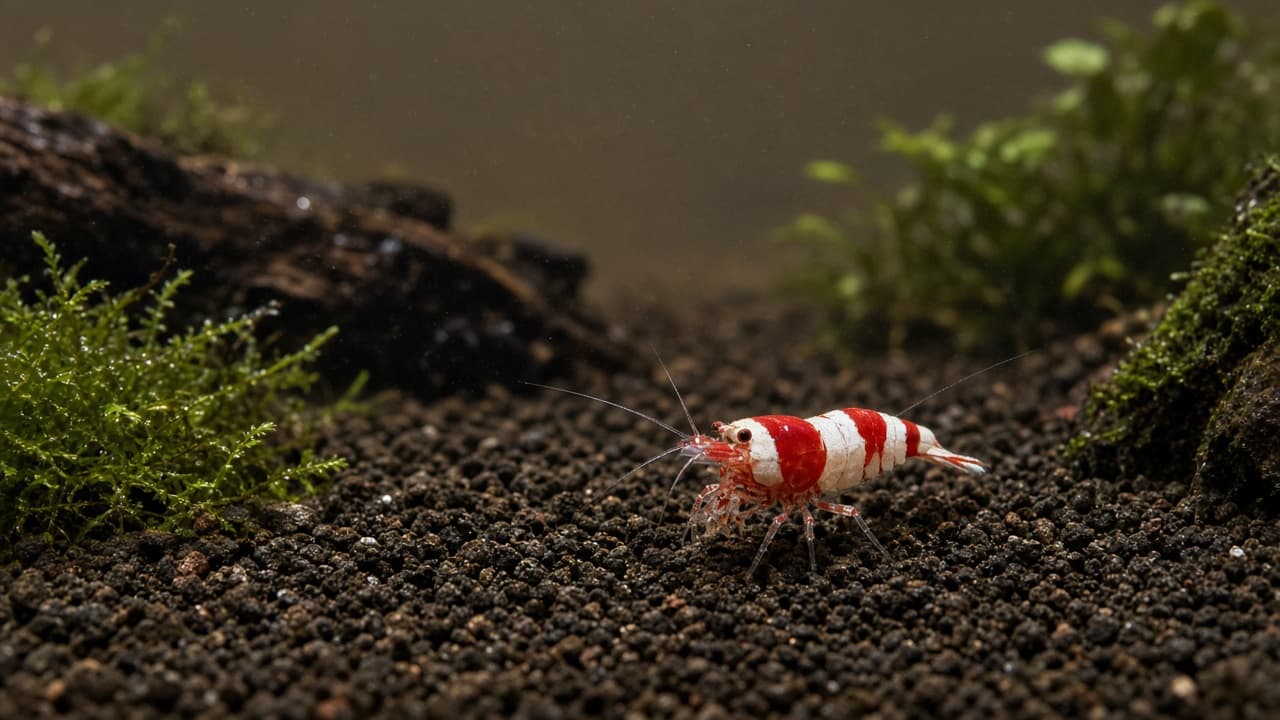
Crystal Red and Blue Bolt thrive when that number moves slowly. They do not mind whether it is 6.0 or 6.3, as long as it does not jump.
Why soil lowers pH
Active soil exchanges ions and releases acids. In soft RO water without KH, pH often falls and stays in a window around 5.5–6.5.
That is the point of a bee tank. Not chasing the lowest number.
Buffer and KH
KH fights the soil. Even 1–2 KH can lift pH and make the tank less predictable for Caridina.
Neocaridina such as Bloody Mary tolerate more KH. In a soil tank for Crystal Black you should still keep KH near zero.
The start-up phase
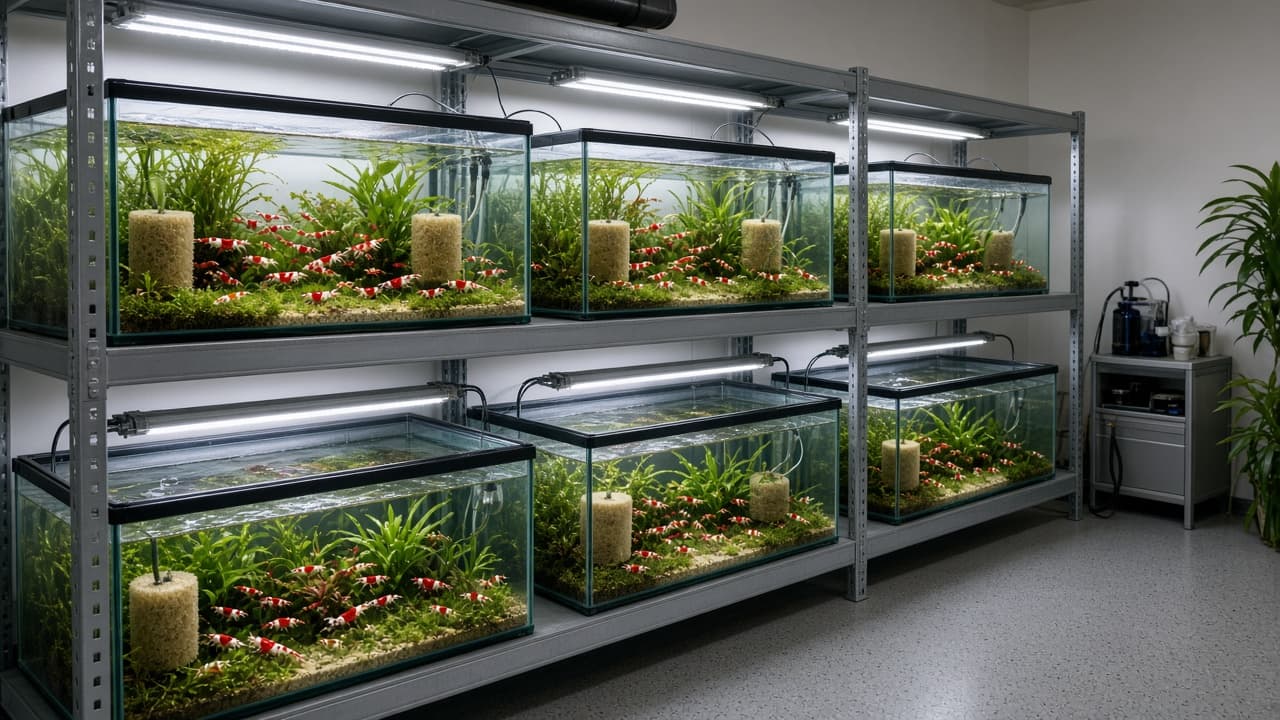
New soil can dump a lot at first. Run the tank without shrimp, change water and measure pH and TDS until the curve stops diving.
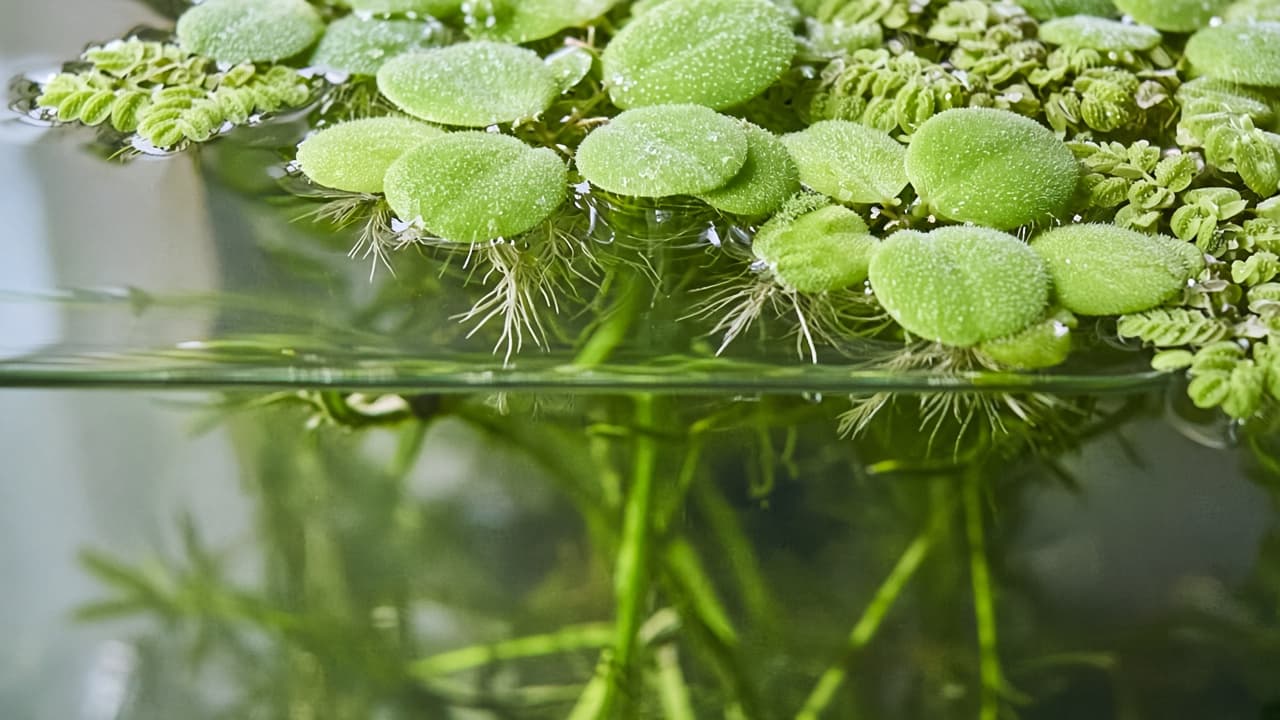
Plant early. Plants and biofilm dampen swings better than extra bottles.
Before the first shrimp
• pH that does not move more than about 0.2 in a week
• TDS in the target range
• No rotten smell or strong ammonia
Long-term operation
Change with remineralised RO that matches the tank. Top up evaporation with plain RO so KH does not creep up.
Do not stir the soil without need. A dug-up tank can release a pH wave that shrimplets cannot take.
When pH starts to rise
Soil wears out. After many months, sometimes more than a year, it can no longer hold the line.
pH-down is not a lasting fix then. You need new soil, a cap or a new tank.
Water changes in soil tanks
Small, even changes beat large rescue changes. Aim for the same temperature and the same TDS.
If pH in the jug is higher than in the tank, that is normal when KH is zero and soil is in charge. Let the tank take the water slowly.
Blue Bolt and sensitive Caridina
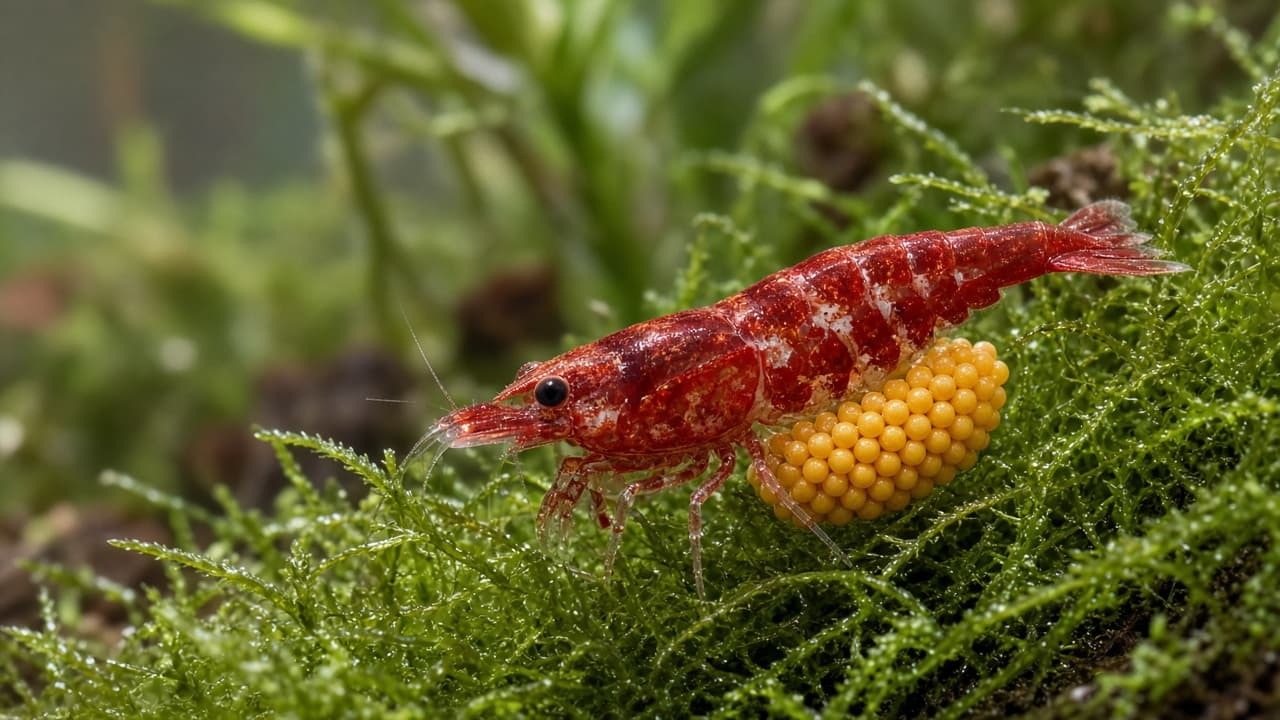
Blue Bolt rarely tolerate a jump from 6.0 to 6.8 after a sloppy change. Females with eggs tolerate it even less.
If you must adjust, do it over several days. Write down every reading.
Measurement and logging
Measure pH at the same time of day. Photosynthesis can lift the number in the afternoon.
Calibrate the pH meter. Drop tests are enough for a trend, but a worn electrode lies quietly.
Common mistakes
• Adding KH buffer to a bee tank
• Mixing tap water to raise things a little
• Adding shrimp to new soil after three days
• Changing all the soil and all the shrimp on the same weekend
Rescue a tank that is slipping
If pH spikes, slow down. More small changes, less food, no redecorating. Move sensitive breeders to a stable tank if you have one.
When the pH routine is boring, take the log seriously. Keep reading at AquaShrimp and let the soil tank age at your pace, not in a panic.