Selective Breeding in Caridina
Caridina breeding is slower than Neocaridina breeding. The water has to be right before selection means anything.
An SSS Crystal Red in an unstable tank does not become a line. It becomes an expensive individual that leaves no young behind.
The difference from Neocaridina
Caridina want softer water, lower pH and calmer changes. Broods are often smaller. Mistakes show later and cost more.
So you select fewer times per year. Each decision weighs more.
Crystal Red and Crystal Black
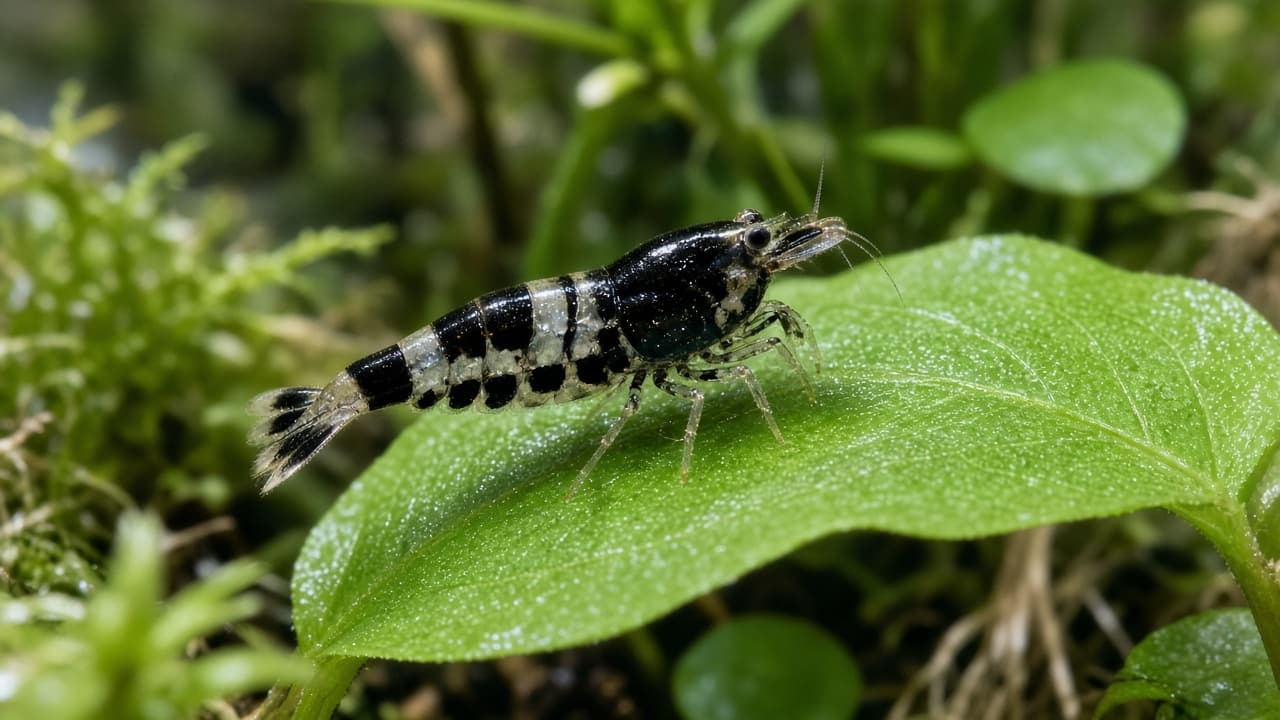
Crystal Red is judged on white versus red: coverage, edge sharpness and how clean the white is. Crystal Black follows the same idea against black.
A high grade with a dirty transition rarely beats a lower grade with clean fields. Aim for clear bands before you chase more white.
Blue Bolt and pattern lines
Blue Bolt is bred more for hue and coverage than for classic bee bands. An even blue body beats a blotchy almost-SSS.
Do not mix Blue Bolt straight into a Crystal Red line if you want to keep both. Make a deliberate cross or keep them apart.
What you look for
• Clean fields without a grey wash at the edge
• A head and rostrum that follow the body
• Swimming ability and shell quality after molting
Grading is a tool, not a religion
C, B, A, S, SS and SSS help you talk with others. They do not replace your eyes in your own tank.
Sell by grade if you like. Breed for what your line actually produces. A consistent house standard beats a borrowed scale you do not follow.
Water values that steer the breeding
Keep TDS, GH and pH inside the window where females already carry eggs. An "improvement" in the middle of a brood can empty it.
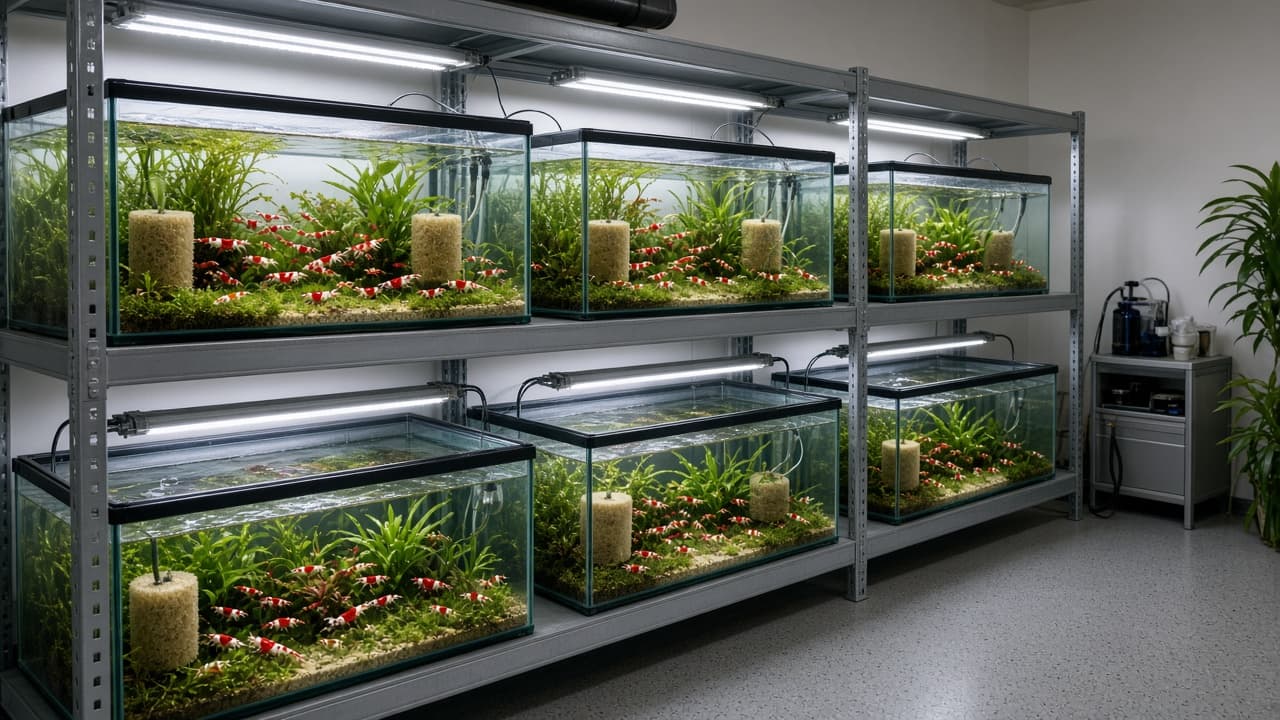
Soil, RO and the same recipe beat new additives. Caridina reward boring husbandry.
Select on pattern, not only colour
A red field that leaks into the white gets worse in the next brood if you ignore it. Mark those animals as pet grade even if the colour is strong.
The same goes for a deformed rostrum or short antennae. Those are breeding decisions, not just aesthetics.
Pace and survival
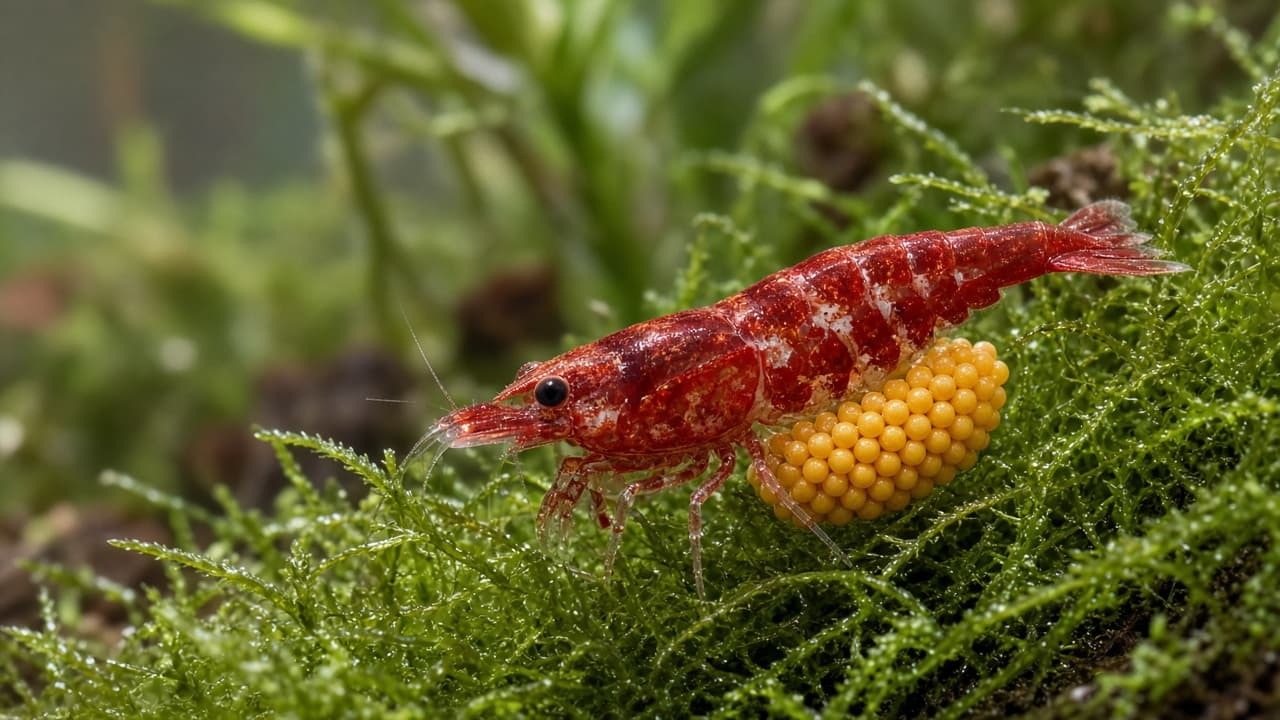
Count young that reach 8–10 mm, not only eggs on the female. A line that drops shrimplets is not a breeding line.
Give young biofilm, cover and still water. Sort them only when they look like adults in miniature.
When to pause
If three broods in a row are thin, stop selecting hard. Feed, hold the water and let the colony breathe.
Sometimes the right move is to combine two closely related tanks and relax the standard for one generation.
Common pitfalls
• Buying an SSS and expecting SSS young without culling
• Mixing tiger, bee and bolt in the same breeding tank
• Changing soil and salt in the same month you start selecting
Build a long-term line
Set a goal for the next four generations. For example cleaner white in Crystal Red, not more white at any cost.
When Caridina selection is clear, read on about inbreeding and outcrossing. The AquaShrimp guides take the next step when you are ready.